

What are the energy - saving measures for a rotary piston vacuum pump?
As a supplier of Rotary Piston Vacuum Pumps, I understand the significance of energy - saving measures in today's industrial landscape. Energy consumption not only impacts the operational cost of businesses but also has environmental implications. In this blog, I will share some effective energy - saving measures for rotary piston vacuum pumps.
1. Proper Sizing and Selection
One of the fundamental steps in energy - saving is to ensure the proper sizing and selection of the rotary piston vacuum pump. An oversized pump will consume more energy than necessary, while an undersized one may not be able to achieve the required vacuum level, leading to inefficiencies. When choosing a pump, it is essential to accurately assess the specific requirements of the application, such as the required vacuum degree, pumping speed, and the volume of the system to be evacuated.
For instance, if you are using the pump in a laboratory setting for a small - scale experiment, a smaller - capacity pump would be sufficient. On the other hand, for large - scale industrial processes like vacuum distillation or freeze - drying, a more powerful pump may be needed. However, always be cautious not to over - spec the pump. By selecting the right - sized pump, you can avoid unnecessary energy waste and optimize the performance of your system.
2. Regular Maintenance
Regular maintenance is crucial for the energy efficiency of a rotary piston vacuum pump. Over time, components such as pistons, seals, and valves can wear out, leading to increased friction and leakage. These issues can cause the pump to work harder than necessary, resulting in higher energy consumption.
To maintain the pump properly, it is recommended to follow the manufacturer's maintenance schedule. This includes regular oil changes, as the lubricating oil in the pump plays a vital role in reducing friction and preventing wear. Additionally, inspect the seals and valves for any signs of damage or leakage. Replace any worn - out parts promptly to ensure the smooth operation of the pump.
Another important aspect of maintenance is keeping the pump clean. Dust and debris can accumulate on the pump's surfaces and inside its components, which can impede the flow of air and increase the load on the motor. Regularly cleaning the pump and its surroundings can help improve its energy efficiency.
3. Variable Speed Drives (VSDs)
Installing Variable Speed Drives (VSDs) on rotary piston vacuum pumps is an effective energy - saving measure. Traditional pumps often operate at a fixed speed, regardless of the actual demand for vacuum. This means that even when the system requires less vacuum, the pump continues to run at full speed, consuming unnecessary energy.
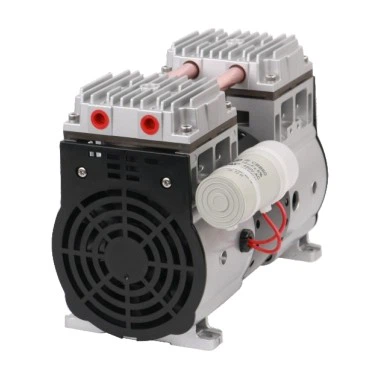

VSDs allow the pump to adjust its speed according to the real - time demand for vacuum. When the required vacuum level is lower, the pump can slow down, reducing its energy consumption. Conversely, when a higher vacuum is needed, the pump can increase its speed to meet the demand. This dynamic control of the pump's speed can result in significant energy savings over time.
For example, in a manufacturing process where the vacuum requirements vary throughout the production cycle, a VSD - equipped pump can adapt to these changes and operate more efficiently. Studies have shown that the use of VSDs can reduce the energy consumption of vacuum pumps by up to 30 - 50% in some applications.
4. System Leak Detection and Repair
Leakage in the vacuum system can have a significant impact on the energy efficiency of the rotary piston vacuum pump. Even small leaks can cause the pump to work continuously to maintain the desired vacuum level, leading to increased energy consumption.
Regularly inspecting the vacuum system for leaks is essential. There are several methods for leak detection, such as using a helium mass spectrometer leak detector or a pressure decay test. Once a leak is detected, it should be repaired immediately. Common sources of leaks include loose fittings, damaged seals, and cracks in pipes.
By minimizing leaks in the system, the pump can operate more efficiently, as it does not have to compensate for the loss of vacuum due to leakage. This not only saves energy but also extends the lifespan of the pump by reducing its workload.
5. Heat Recovery
Rotary piston vacuum pumps generate a significant amount of heat during operation. Instead of letting this heat go to waste, it can be recovered and used for other purposes in the industrial process.
For example, the recovered heat can be used for pre - heating incoming fluids or for space heating in the facility. This not only reduces the energy consumption of the pump but also helps to lower the overall energy requirements of the plant.
There are various heat recovery systems available on the market, and the choice depends on the specific requirements of the application. A well - designed heat recovery system can make a significant contribution to energy savings and environmental sustainability.
6. Optimal Operating Conditions
Maintaining optimal operating conditions for the rotary piston vacuum pump is essential for energy efficiency. This includes factors such as the temperature and pressure of the working environment.
Pumps are designed to operate within a certain temperature range. If the operating temperature is too high, the pump may experience increased friction and wear, leading to higher energy consumption. On the other hand, if the temperature is too low, the viscosity of the lubricating oil may increase, also affecting the pump's performance.
Similarly, the pressure in the system should be carefully monitored and controlled. Operating the pump at pressures outside the recommended range can cause inefficiencies and increase energy usage.
By ensuring that the pump operates under optimal conditions, you can maximize its energy efficiency and performance.
In conclusion, implementing these energy - saving measures for rotary piston vacuum pumps can bring significant benefits to businesses. Not only can it reduce operational costs, but it also contributes to environmental protection. If you are interested in learning more about our Rotary Piston Vacuum Pumps or other related products such as Vacuum Transfer Pump, Portable Vacuum Pumps for Milking Cows, and Reciprocating Vacuum Pump, please feel free to contact us for a detailed discussion on your specific needs and how we can help you optimize your vacuum system.
References
- "Handbook of Vacuum Technology", edited by O. Ludwig and F. O. Goodman.
- "Energy - efficient Vacuum Pumping Systems", research report from the Industrial Energy Efficiency Research Institute.
- Manufacturer's manuals and technical documentation for rotary piston vacuum pumps.