

Monitoring the performance of a rotary piston vacuum pump is crucial for ensuring its efficient operation and longevity. As a supplier of Rotary Piston Vacuum Pump, I've seen firsthand the importance of proper monitoring. In this blog, I'll share some tips on how to keep an eye on your pump's performance.
Understanding the Basics
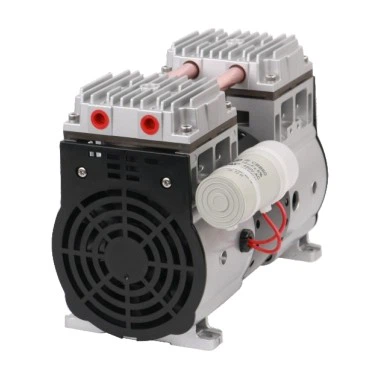
First off, let's talk about what a rotary piston vacuum pump does. It's designed to create a vacuum by using a rotating piston inside a chamber. This process helps in various applications, from industrial processes to Portable Vacuum Pumps for Milking Cows. The key to monitoring its performance lies in understanding its basic components and how they work together.
Pressure Monitoring
One of the most important aspects of monitoring a rotary piston vacuum pump is keeping an eye on the pressure. You can use a pressure gauge to measure the vacuum level inside the pump. A consistent and stable pressure reading indicates that the pump is working properly. If the pressure fluctuates or doesn't reach the desired level, it could be a sign of a problem.
For example, if the pressure is too high, it might mean that there's a blockage in the system or that the pump is overworking. On the other hand, if the pressure is too low, it could indicate a leak in the pump or a problem with the seals. Regularly checking the pressure can help you catch these issues early and prevent further damage.
Temperature Monitoring
Another critical factor to monitor is the temperature of the pump. Excessive heat can cause damage to the pump's components and reduce its efficiency. You can use a temperature sensor to measure the temperature of the pump's motor and other critical parts.
If the temperature is too high, it could be due to a variety of reasons, such as overloading, poor ventilation, or a malfunctioning cooling system. By monitoring the temperature, you can take steps to address these issues before they cause serious damage. For instance, you might need to adjust the load on the pump, improve the ventilation, or repair the cooling system.
Oil Level and Quality
The oil in a rotary piston vacuum pump plays a crucial role in lubricating the moving parts and sealing the pump. Monitoring the oil level and quality is essential for the pump's performance. You should regularly check the oil level and make sure it's within the recommended range.
If the oil level is too low, it can cause increased friction and wear on the pump's components. On the other hand, if the oil is dirty or contaminated, it can also affect the pump's performance. You can use an oil analysis kit to check the quality of the oil and determine if it needs to be changed.
Vibration Analysis
Vibration is another important indicator of a pump's performance. Excessive vibration can be a sign of misalignment, loose parts, or other mechanical problems. You can use a vibration sensor to measure the vibration levels of the pump.
If the vibration levels are too high, it's important to investigate the cause and take corrective action. This might involve tightening loose parts, realigning the pump, or replacing worn-out components. By monitoring the vibration levels, you can prevent costly breakdowns and ensure the smooth operation of the pump.
Monitoring the Pump's Runtime
Keeping track of the pump's runtime is also important for monitoring its performance. You can use a timer or a monitoring system to record the amount of time the pump has been running. This can help you identify any patterns or trends in the pump's usage.
For example, if the pump is running for longer periods than usual, it could be a sign of increased demand or a problem with the system. By monitoring the runtime, you can make adjustments to the pump's operation or address any underlying issues.
Regular Maintenance
In addition to monitoring the pump's performance, regular maintenance is also essential for ensuring its long-term reliability. This includes tasks such as changing the oil, replacing filters, and inspecting the pump's components for wear and tear.
By following a regular maintenance schedule, you can prevent many common problems and extend the life of the pump. It's also a good idea to keep a maintenance log to track the pump's maintenance history and identify any recurring issues.
When to Seek Professional Help
Despite your best efforts, there may come a time when you need to seek professional help. If you notice any unusual noises, vibrations, or performance issues with the pump, it's important to contact a qualified technician.

A professional technician can diagnose the problem and recommend the appropriate repairs or replacements. They can also provide you with valuable advice on how to maintain the pump and prevent future problems.
Conclusion
Monitoring the performance of a rotary piston vacuum pump is essential for ensuring its efficient operation and longevity. By keeping an eye on the pressure, temperature, oil level and quality, vibration, and runtime, you can catch potential problems early and take corrective action.
Regular maintenance is also crucial for preventing common problems and extending the life of the pump. If you have any questions or need further assistance with monitoring your pump's performance, don't hesitate to contact us. We're here to help you get the most out of your Rotary Piston Vacuum Pump.
References
- "Vacuum Pump Handbook" by Peter D. Leck
- "Industrial Vacuum Technology" by John F. O'Hanlon