

Hey there! As a vacuum pump supplier, I've seen firsthand how important it is to keep these machines running smoothly for as long as possible. A well - maintained vacuum pump not only saves you money in the long run but also ensures that your operations run efficiently. So, let's dive into some tips on how to extend the lifespan of a vacuum pump.
Regular Maintenance
One of the most crucial things you can do is to stick to a regular maintenance schedule. This includes changing the oil regularly. Just like in a car engine, the oil in a vacuum pump lubricates the moving parts, reduces friction, and helps to cool the pump. For most vacuum pumps, it's recommended to change the oil every 200 - 300 hours of operation, but this can vary depending on the model and the working conditions.
Another part of regular maintenance is checking the filters. Filters prevent dirt, dust, and debris from entering the pump and causing damage. Clogged filters can reduce the pump's performance and put extra strain on the motor. Make it a habit to inspect the filters monthly and replace them as needed.
Proper Installation
Proper installation is key to a long - lasting vacuum pump. First, make sure the pump is installed on a stable surface. A wobbly or uneven surface can cause vibrations, which over time can lead to loose parts and premature wear.
Also, pay attention to the ventilation. Vacuum pumps generate heat during operation, and they need proper ventilation to stay cool. Ensure that there is enough space around the pump for air to circulate freely. If the pump is installed in an enclosure, make sure there are vents or fans to keep the air moving.
Correct Usage
Using the vacuum pump correctly is essential. Don't overload the pump. Each vacuum pump has a specified capacity, and if you try to make it work beyond that, it can cause excessive wear and tear. For example, if you're using a Rotary Screw Vacuum Pump for a particular application, make sure the workload is within its recommended limits.
Avoid running the pump dry. Some pumps require a certain amount of fluid to operate properly. Running the pump without the necessary fluid can cause the internal components to overheat and damage the pump.
Monitoring and Troubleshooting
Keep an eye on the pump's performance. Notice if there are any changes in the noise level, vibration, or vacuum level. Unusual noises or vibrations can be a sign of a problem, such as a loose part or a worn - out bearing. If you notice a drop in the vacuum level, it could mean there is a leak or a problem with the pump's internal components.
When you detect an issue, don't ignore it. Try to troubleshoot the problem as soon as possible. Sometimes, it could be something simple like a loose connection that you can fix yourself. But if you're not sure, it's better to contact a professional technician.
Environment
The environment in which the vacuum pump operates can have a big impact on its lifespan. If the pump is exposed to extreme temperatures, humidity, or corrosive substances, it can cause damage. For instance, in a humid environment, moisture can cause rust and corrosion inside the pump.

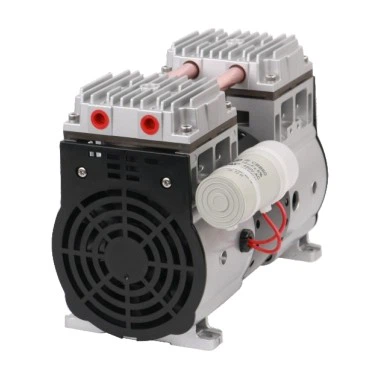
If possible, try to control the environment. If the pump is in a hot area, use cooling systems to keep the temperature down. If it's in a corrosive environment, consider using a pump with a corrosion - resistant coating.
Training for Operators
If your vacuum pump is used by multiple operators, make sure they are properly trained. An untrained operator may not use the pump correctly, which can lead to premature failure. Provide training on how to start and stop the pump, how to monitor its performance, and what to do in case of an emergency.
Storage
If you need to store the vacuum pump for an extended period, do it properly. First, clean the pump thoroughly to remove any dirt, oil, or debris. Then, lubricate the moving parts to prevent rust. Store the pump in a dry, cool place, and cover it to protect it from dust.
Upgrades and Replacements
As technology advances, there may be upgrades available for your vacuum pump. These upgrades can improve the pump's performance and efficiency, and in some cases, they can also extend its lifespan. For example, upgrading the motor to a more energy - efficient one can reduce the strain on the pump.
Also, be prepared to replace worn - out parts in a timely manner. Don't wait until a part completely fails before replacing it. Regularly inspect the pump for signs of wear and replace parts like seals, gaskets, and bearings as needed.
Specific Types of Vacuum Pumps
Let's talk a bit about different types of vacuum pumps and how to extend their lifespans.
Rotary Screw Vacuum Pump
These pumps are known for their reliability and efficiency. To keep them in good shape, make sure the screws are properly aligned. Misaligned screws can cause excessive wear and reduce the pump's performance. Also, check the oil separator regularly. A clogged separator can lead to oil carry - over, which can damage other parts of the system.
Vacuum Transfer Pump
For vacuum transfer pumps, pay attention to the pistons and cylinders. These parts are subject to a lot of wear, so make sure they are well - lubricated. Also, check the valves regularly. Faulty valves can cause a loss of vacuum and reduce the pump's efficiency.
Portable Vacuum Pumps for Milking Cows
These pumps need to be kept clean, especially since they are used in a dairy environment. Milk residue can cause blockages and corrosion. After each use, flush the pump with clean water and use a mild detergent to clean the internal parts. Also, check the hoses for any signs of wear or damage, as they are crucial for the proper functioning of the pump.
In conclusion, extending the lifespan of a vacuum pump requires a combination of regular maintenance, proper installation, correct usage, and a bit of attention to the environment. If you follow these tips, you can get the most out of your vacuum pump and save a lot of money on replacements and repairs.
If you're in the market for a new vacuum pump or need advice on maintaining your existing one, we're here to help. Feel free to reach out to us for more information and to discuss your specific needs. We're always happy to assist you in making the right choice for your operations.
References
- "Vacuum Pump Handbook", Industrial Press Inc.
- Manufacturer's manuals for various vacuum pumps.