

Controlling the speed of a vacuum transfer pump is a crucial aspect in various industrial and commercial applications. As a leading supplier of vacuum transfer pumps, we understand the significance of precise speed control for optimal performance and efficiency. In this blog, we will explore different methods and considerations for controlling the speed of a vacuum transfer pump.

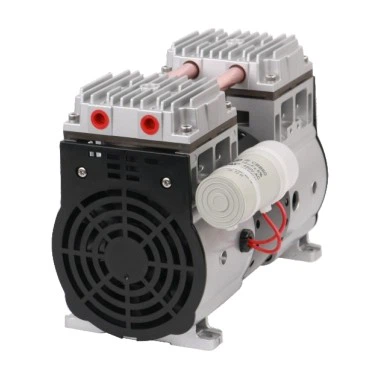
Why Speed Control is Important
The speed of a vacuum transfer pump directly affects its performance and the overall process it is involved in. By controlling the speed, you can achieve several benefits:
- Energy Efficiency: Running the pump at the optimal speed can significantly reduce energy consumption. This is especially important in large-scale industrial operations where energy costs can be a major expense.
- Process Control: In many applications, such as chemical processing or food packaging, precise control of the vacuum level is essential. By adjusting the pump speed, you can maintain the desired vacuum level and ensure consistent product quality.
- Equipment Protection: Operating the pump at a speed that is too high can cause excessive wear and tear on the pump components, leading to premature failure. On the other hand, running the pump at a speed that is too low may not provide sufficient vacuum, affecting the process efficiency.
Methods of Speed Control
There are several methods available for controlling the speed of a vacuum transfer pump. The choice of method depends on the type of pump, the application requirements, and the available control systems. Here are some common methods:
Variable Frequency Drives (VFDs)
Variable frequency drives are one of the most popular methods for controlling the speed of electric motors, including those used in vacuum transfer pumps. A VFD works by adjusting the frequency of the electrical power supplied to the motor, which in turn changes the motor's speed. This method offers several advantages:
- Precise Control: VFDs allow for precise speed control, enabling you to adjust the pump speed to meet the specific requirements of your application.
- Energy Savings: By reducing the motor speed when full capacity is not required, VFDs can significantly reduce energy consumption.
- Soft Start and Stop: VFDs provide a smooth start and stop operation, reducing mechanical stress on the pump and extending its lifespan.
Belt Drives
Belt drives are a simple and cost-effective method for controlling the speed of a vacuum transfer pump. By changing the size of the pulleys on the motor and the pump, you can adjust the speed ratio and, consequently, the pump speed. This method is commonly used in smaller pumps and applications where precise speed control is not critical.
Clutch Systems
Clutch systems are another option for controlling the speed of a vacuum transfer pump. A clutch allows you to engage or disengage the pump from the motor, enabling you to start and stop the pump as needed. This method is useful in applications where the pump needs to be operated intermittently or where the load on the pump varies.
Considerations for Speed Control
When implementing speed control for a vacuum transfer pump, there are several factors to consider:
Pump Type
Different types of vacuum transfer pumps have different speed requirements and characteristics. For example, Reciprocating Vacuum Pump typically operate at a fixed speed, while some rotary vane pumps can be adjusted to different speeds. It is important to understand the specific requirements of your pump type before implementing speed control.
Application Requirements
The application in which the vacuum transfer pump is used will also determine the appropriate speed control method. For example, in applications where a constant vacuum level is required, a VFD may be the best choice. In applications where the pump needs to be started and stopped frequently, a clutch system may be more suitable.
System Compatibility
The speed control method you choose must be compatible with the existing pump system. This includes considering the electrical and mechanical components of the system, as well as any control interfaces or sensors that may be required.
Case Studies
To illustrate the benefits of speed control in vacuum transfer pumps, let's look at a few case studies:
Chemical Processing
In a chemical processing plant, a vacuum transfer pump is used to transfer chemicals from one tank to another. By implementing a VFD to control the pump speed, the plant was able to reduce energy consumption by 30% while maintaining the required vacuum level. This not only saved on energy costs but also extended the lifespan of the pump.
Food Packaging
In a food packaging facility, a Ac Refrigerant Vacuum Pump is used to create a vacuum in the packaging containers. By using a belt drive system to adjust the pump speed, the facility was able to achieve a more consistent vacuum level, resulting in better product quality and reduced waste.
Dairy Farming
In a dairy farm, Portable Vacuum Pumps for Milking Cows are used to milk the cows. By using a clutch system to control the pump speed, the farmer was able to start and stop the pump as needed, reducing energy consumption and improving the efficiency of the milking process.
Conclusion
Controlling the speed of a vacuum transfer pump is essential for achieving optimal performance, energy efficiency, and process control. By understanding the different methods of speed control and considering the specific requirements of your application, you can choose the most appropriate method for your needs. As a leading supplier of vacuum transfer pumps, we are committed to providing our customers with high-quality products and expert advice on speed control and other aspects of pump operation.
If you are interested in learning more about our vacuum transfer pumps or need assistance with speed control, please contact us to discuss your requirements. We look forward to working with you to find the best solution for your application.
References
- ASME PTC 19.13-2005, "Performance Test Code on Vacuum Pumps and Compressors"
- ISO 1607-1:2017, "Vacuum technology - Positive displacement vacuum pumps - Measurement of performance characteristics - Part 1: Volume rate of flow (pumping speed)"
- Pump Handbook, 4th Edition, by Karassik, Messina, Cooper, and Heald