

Hey there! As a piston pump supplier, I've seen firsthand how important it is to control the flow rate of a piston pump. Whether you're using it in industrial applications, for milking cows, or in a vacuum transfer system, getting the flow rate just right can make a huge difference in the efficiency and performance of your operation. In this blog post, I'm going to share some tips on how to control the flow rate of a piston pump.
Understanding Piston Pumps
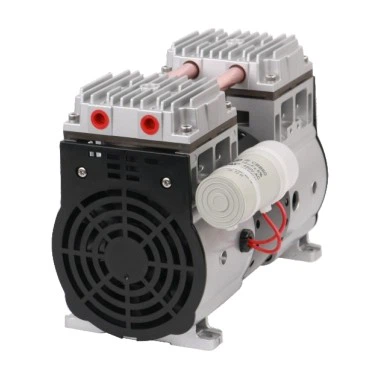
Before we dive into how to control the flow rate, let's quickly go over what a piston pump is. A piston pump is a type of positive displacement pump that uses a piston to move fluid through a cylinder. The piston moves back and forth inside the cylinder, creating a vacuum on the intake stroke and pushing the fluid out on the discharge stroke.
There are different types of piston pumps, including Reciprocating Vacuum Pump, Portable Vacuum Pumps for Milking Cows, and Vacuum Transfer Pump. Each type has its own unique characteristics and applications, but the basic principle of operation is the same.
Factors Affecting Flow Rate
The flow rate of a piston pump is influenced by several factors. Understanding these factors is crucial for effective flow rate control.
Pump Speed
One of the most straightforward ways to control the flow rate is by adjusting the pump speed. The faster the piston moves, the more fluid it can displace per unit of time. Most piston pumps are driven by motors, and you can control the motor speed using a variable frequency drive (VFD). By increasing or decreasing the motor speed, you can directly affect the flow rate of the pump.
Piston Size and Stroke Length
The size of the piston and the length of its stroke also play a significant role in determining the flow rate. A larger piston or a longer stroke will displace more fluid with each cycle. When selecting a piston pump, you need to consider the required flow rate and choose a pump with an appropriate piston size and stroke length.
System Pressure
The pressure in the system can affect the flow rate of the piston pump. If the system pressure is too high, the pump may struggle to push the fluid through, resulting in a lower flow rate. On the other hand, if the pressure is too low, the pump may not be able to maintain a consistent flow. You need to ensure that the system pressure is within the recommended range for the pump.
Methods of Controlling Flow Rate
Throttle Valves
Throttle valves are a common way to control the flow rate of a piston pump. These valves are installed in the discharge line of the pump and can be adjusted to restrict the flow of fluid. By closing the valve partially, you can reduce the flow rate. However, this method can also cause an increase in system pressure, so you need to be careful not to over - throttle the pump.
Bypass Valves
Bypass valves provide another option for flow rate control. A bypass valve diverts a portion of the fluid back to the suction side of the pump. By adjusting the amount of fluid that is bypassed, you can control the flow rate that goes to the system. This method is useful when you need to maintain a constant pressure in the system while adjusting the flow rate.
Variable Displacement Pumps
Some piston pumps are designed as variable displacement pumps. These pumps allow you to adjust the volume of fluid displaced by the piston with each stroke. By changing the displacement, you can directly control the flow rate. Variable displacement pumps are more expensive than fixed - displacement pumps, but they offer greater flexibility in flow rate control.
Practical Tips for Flow Rate Control
Regular Maintenance
Regular maintenance of the piston pump is essential for proper flow rate control. Make sure to check the pump for any signs of wear and tear, such as worn pistons, seals, or valves. Replace any damaged parts promptly to ensure that the pump is operating at its best.
Monitoring and Feedback
Install flow meters and pressure gauges in the system to monitor the flow rate and pressure. This will allow you to make real - time adjustments to the pump settings. You can also use a control system that provides feedback based on the monitored values to automatically adjust the pump speed or valve settings.
Training and Education
Ensure that your operators are properly trained in operating and maintaining the piston pump. They should understand how to adjust the flow rate using the different control methods and be able to troubleshoot any issues that may arise.
Conclusion
Controlling the flow rate of a piston pump is crucial for the efficient operation of your system. By understanding the factors that affect the flow rate and using the appropriate control methods, you can ensure that your pump is delivering the right amount of fluid at the right pressure. Whether you're using a Reciprocating Vacuum Pump, Portable Vacuum Pumps for Milking Cows, or Vacuum Transfer Pump, these tips can help you optimize the performance of your pump.
If you're in the market for a piston pump or need more information on flow rate control, feel free to reach out. We're here to help you find the best solution for your specific needs. Let's have a chat about how we can work together to improve your pumping system.

References
- Pump Handbook, Third Edition by Igor J. Karassik, Joseph P. Messina, Paul Cooper, and Charles C. Heald
- Fluid Mechanics and Hydraulics by A. K. Jain