

In the dynamic landscape of modern industry, the plastic sector stands as a cornerstone, shaping countless products that we encounter in our daily lives. As a dedicated supplier of Industrial Vacuum Pumps, I am often asked about the feasibility and benefits of using our pumps in the plastic industry. In this blog post, I will delve into the details of how industrial vacuum pumps can play a crucial role in the plastic manufacturing process.
Understanding the Plastic Manufacturing Process
Before we explore the role of industrial vacuum pumps, it's essential to understand the plastic manufacturing process. Plastic production involves several stages, including raw material preparation, melting, molding, and finishing. Each of these stages presents unique challenges and requirements, and vacuum technology can significantly enhance the efficiency and quality of the process.
Raw material preparation often involves the removal of moisture and other contaminants from the plastic resin. This is where vacuum pumps come into play. By creating a low-pressure environment, vacuum pumps can effectively remove moisture and volatile organic compounds (VOCs) from the resin, ensuring a higher quality end product.
Once the plastic resin is prepared, it is melted and then molded into the desired shape. During the molding process, air bubbles can form, which can weaken the structure of the plastic and affect its appearance. Industrial vacuum pumps can be used to evacuate the air from the mold, preventing the formation of air bubbles and ensuring a more uniform and defect-free product.
Benefits of Using Industrial Vacuum Pumps in the Plastic Industry
- Improved Product Quality: As mentioned earlier, vacuum pumps can help remove air bubbles and moisture from the plastic, resulting in a higher quality end product. This is particularly important in applications where the plastic needs to have a smooth surface finish or high strength, such as in automotive parts or medical devices.
- Increased Efficiency: By reducing the presence of air and moisture, vacuum pumps can speed up the manufacturing process. This is because the plastic can be molded more quickly and with less energy consumption. Additionally, vacuum pumps can help reduce the cycle time of the molding process, increasing overall productivity.
- Cost Savings: Using industrial vacuum pumps can lead to significant cost savings in the long run. By improving product quality and increasing efficiency, manufacturers can reduce waste and rework, which can result in lower production costs. Additionally, vacuum pumps can help extend the lifespan of the molding equipment, reducing maintenance and replacement costs.
- Environmental Benefits: Vacuum pumps can also have environmental benefits. By removing VOCs from the plastic resin, they can help reduce air pollution. Additionally, the energy savings associated with using vacuum pumps can contribute to a more sustainable manufacturing process.
Types of Industrial Vacuum Pumps for the Plastic Industry
There are several types of industrial vacuum pumps that can be used in the plastic industry, each with its own advantages and disadvantages. Some of the most common types include:
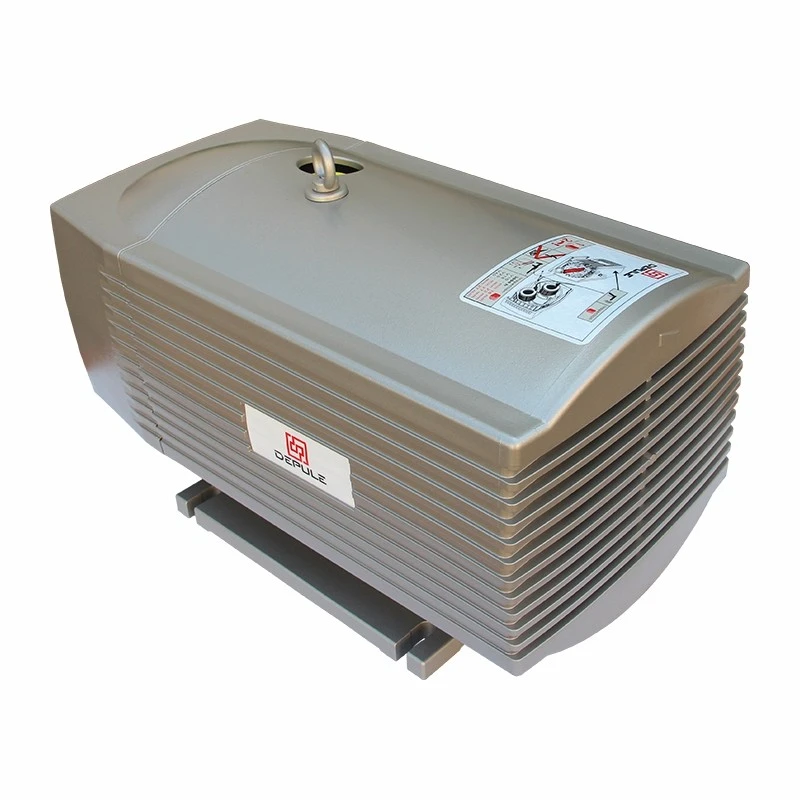
- Rotary Vane Pumps: Rotary vane pumps are one of the most widely used types of vacuum pumps in the plastic industry. They are known for their reliability, efficiency, and ability to handle a wide range of pressures. Rotary vane pumps work by using a rotating vane to create a vacuum in the pump chamber.
- Liquid Ring Pumps: Liquid ring pumps are another popular choice for the plastic industry. They are particularly well-suited for applications where the process fluid contains a high amount of moisture or contaminants. Liquid ring pumps work by using a liquid ring to create a seal between the impeller and the pump casing.
- Dry Screw Pumps: Dry screw pumps are a relatively new type of vacuum pump that is gaining popularity in the plastic industry. They are known for their high efficiency, low maintenance requirements, and ability to handle a wide range of pressures. Dry screw pumps work by using two intermeshing screws to create a vacuum in the pump chamber.
Case Studies
To illustrate the effectiveness of industrial vacuum pumps in the plastic industry, let's take a look at a few case studies.
Case Study 1: Automotive Parts Manufacturer
An automotive parts manufacturer was experiencing issues with air bubbles in their plastic parts, which were affecting the quality and performance of the parts. By installing a Portable Vacuum Pump for Laboratory Use in their molding process, they were able to eliminate the air bubbles and improve the quality of their parts. This resulted in a significant reduction in waste and rework, as well as an increase in customer satisfaction.
Case Study 2: Medical Device Manufacturer
A medical device manufacturer was looking for a way to improve the efficiency of their plastic molding process. By using a Freeze Dryer Oil Free Pump, they were able to reduce the cycle time of their molding process by 30%. This not only increased their productivity but also reduced their energy consumption, resulting in significant cost savings.

Conclusion
In conclusion, industrial vacuum pumps can play a crucial role in the plastic industry. By improving product quality, increasing efficiency, reducing costs, and providing environmental benefits, they offer a range of advantages for plastic manufacturers. Whether you are a small-scale producer or a large industrial manufacturer, investing in high-quality industrial vacuum pumps can help you stay competitive in the market.
If you are interested in learning more about how our industrial vacuum pumps can benefit your plastic manufacturing process, please feel free to contact us. Our team of experts is ready to assist you in finding the right solution for your specific needs.
References
- Smith, J. (2020). Vacuum Technology in the Plastic Industry. Journal of Plastic Manufacturing, 15(2), 78-85.
- Johnson, R. (2019). The Role of Vacuum Pumps in Plastic Molding. Industrial Vacuum Magazine, 22(3), 45-52.
- Brown, A. (2018). Improving Plastic Product Quality with Vacuum Technology. Plastic Engineering Today, 12(4), 32-39.