

Hey there! As a supplier of Rotary Piston Vacuum Pumps, I often get asked if these pumps can be used in chemical industries. Well, let's dive right into it and find out.
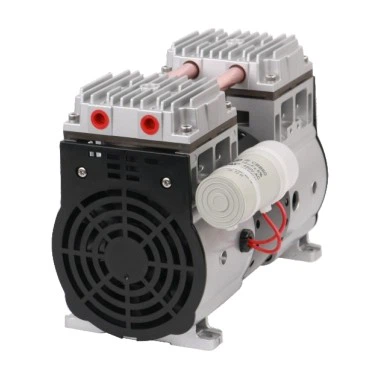
First off, let's understand what a rotary piston vacuum pump is. It's a type of positive displacement pump that uses a piston rotating inside a cylinder to create a vacuum. This design allows it to handle a wide range of pressures and flow rates, making it a versatile option for many applications.
Now, when it comes to chemical industries, there are some unique challenges. Chemical processes often involve corrosive substances, high temperatures, and the need for precise control of pressure and flow. So, can a rotary piston vacuum pump handle all these? The answer is yes, but with some considerations.
One of the main advantages of using a rotary piston vacuum pump in chemical industries is its ability to handle a variety of gases and vapors. These pumps can effectively remove air and other gases from a system, creating a vacuum environment that's essential for many chemical reactions. For example, in the production of pharmaceuticals, a vacuum is often required to remove solvents or to carry out distillation processes. A rotary piston vacuum pump can provide the necessary vacuum level to ensure these processes are carried out efficiently.
Another benefit is its durability. Chemical industries can be tough on equipment, with harsh chemicals and high temperatures taking a toll on pumps. Rotary piston vacuum pumps are built to withstand these conditions. They are typically made from high-quality materials that are resistant to corrosion, such as stainless steel or special coatings. This means they can last longer and require less maintenance, saving you time and money in the long run.
However, there are also some challenges to using a rotary piston vacuum pump in chemical industries. One of the biggest issues is the potential for contamination. Chemicals can get into the pump and cause damage or affect its performance. To prevent this, it's important to choose a pump that has proper sealing and filtration systems. Some pumps come with built-in filters that can remove particles and contaminants from the gas stream, protecting the pump and ensuring its longevity.
Another consideration is the temperature. Chemical processes can generate a lot of heat, and high temperatures can affect the performance of a vacuum pump. Rotary piston vacuum pumps are designed to operate within a certain temperature range, so it's crucial to ensure that the pump is not exposed to temperatures that are too high. In some cases, additional cooling systems may be required to keep the pump at an optimal operating temperature.
Now, let's talk about some related products that might be of interest to you. If you're looking for a more portable option, you might want to check out Portable Vacuum Pumps for Milking Cows. These pumps are designed to be easy to move around and can be used in a variety of applications, including some small-scale chemical processes.
If you need a pump that can handle higher pressures, the Reciprocating Vacuum Pump might be a better choice. This type of pump uses a reciprocating piston to create a vacuum and can provide higher pressure levels compared to a rotary piston vacuum pump.
And for applications that require negative pressure, the Negative Pressure Vacuum Pump is worth considering. It's specifically designed to create a negative pressure environment, which is useful in many chemical processes.
In conclusion, a rotary piston vacuum pump can definitely be used in chemical industries. It offers many advantages, such as its ability to handle a variety of gases, its durability, and its versatility. However, it's important to take into account the potential challenges, such as contamination and temperature, and to choose the right pump for your specific application.
If you're interested in learning more about our rotary piston vacuum pumps or any of our other products, feel free to reach out. We're here to help you find the best solution for your chemical industry needs. Whether you're a small startup or a large corporation, we have the expertise and the products to meet your requirements. Let's start a conversation and see how we can work together to improve your chemical processes.
References:

- Chemical Engineering Handbook
- Vacuum Technology Principles and Applications